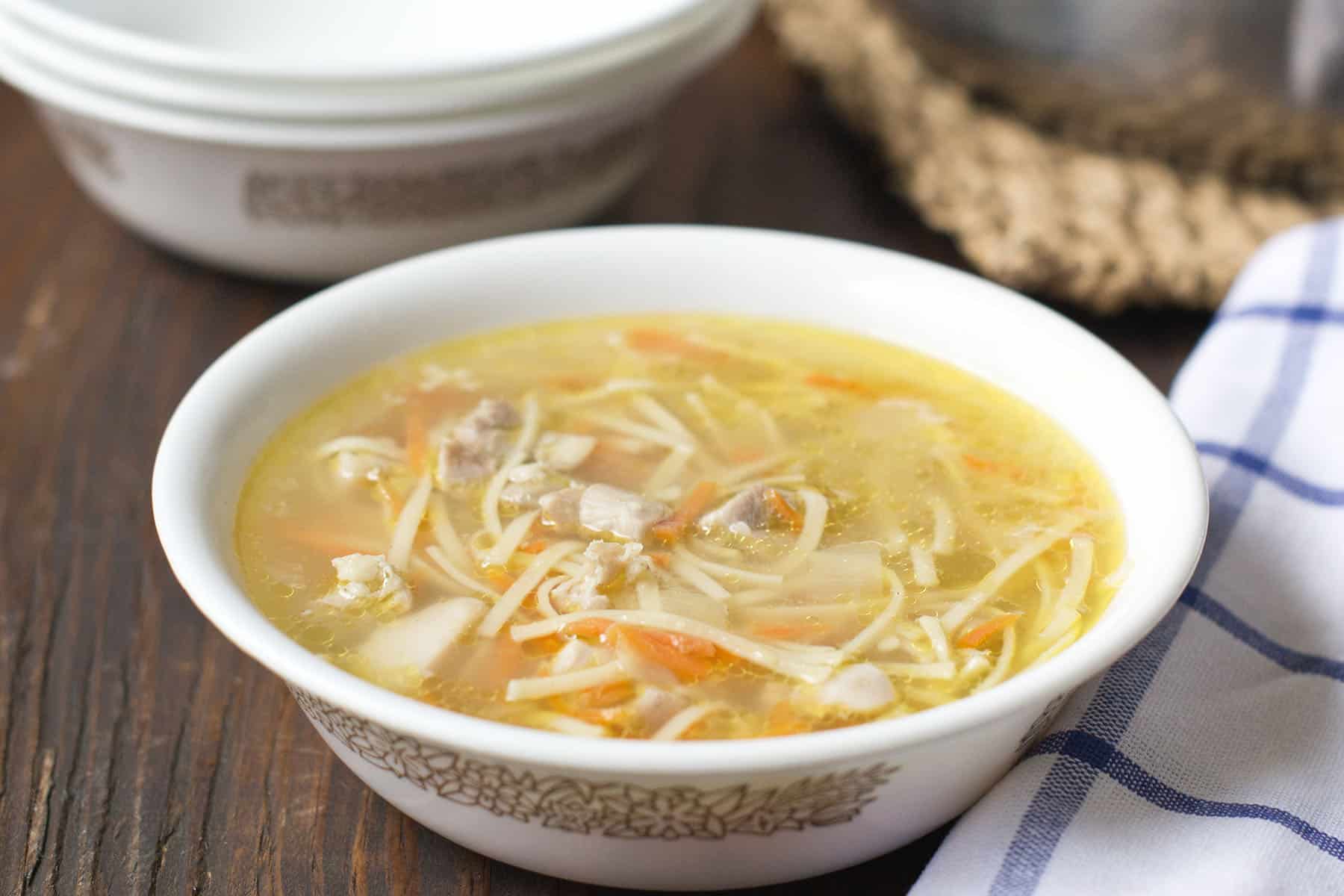
Homemade Chicken Noodle Soup for Two: Your Guide to Perfect, Mush-Free Comfort
There's a reason chicken noodle soup is synonymous with comfort. It’s that hug in a bowl, the soothing remedy for a chilly evening, or the perfect companion when you're feeling a bit under the weather. While the idea of a homemade, from-scratch bowl often conjures images of large pots bubbling for hours, we’re here to tell you that a truly exceptional homemade chicken noodle soup 2 recipe doesn't require a family-sized commitment. In fact, crafting a small-batch version for just you and a loved one is not only achievable but often yields a fresher, more personalized experience. The biggest hurdle many home cooks face when attempting a smaller portion of this beloved classic? Scaling down those sprawling, family-sized recipes, and perhaps even more critically, avoiding the dreaded mushy noodles. Fret not, because we're diving deep into how to create a rich, aromatic, and perfectly portioned chicken noodle soup for two, ensuring every strand of pasta is tender, not waterlogged.Why Small-Batch Chicken Noodle Soup is the Perfect Choice for Two
When you think of homemade soup, large batches often come to mind. While admirable, trying to adapt a recipe designed for eight servings down to two can be a culinary minefield. Halving ingredients often seems straightforward, but it frequently leads to imbalances – a broth that’s too weak, flavors that don't meld quite right, or an overwhelming amount of leftovers that might lose their charm after a day or two. A dedicated small-batch approach, however, sidesteps these issues entirely. It means you get:- Perfect Portions: Just enough for an immediate, satisfying meal, with perhaps a small extra bowl for lunch the next day (when soup often tastes even better!).
- Optimal Flavor Balance: Ingredients are precisely measured for a smaller volume, ensuring every spoonful is packed with rich, savory goodness.
- No Waste: Forget about sad, forgotten containers of soup lingering in the fridge. This recipe minimizes food waste.
- Time Efficiency: Without the need for a massive pot or hours of simmering, a small-batch stovetop version can be ready in around 30 minutes, using just a handful of pantry staples. It’s the definition of cozy comfort without the all-day affair.
Crafting the Core Elements: From Broth to Noodles
The magic of chicken noodle soup lies in the synergy of its components. Each element plays a crucial role in creating that comforting, wholesome experience.The Foundation: Rich, Aromatic Broth
The soul of any great soup is its broth. For a small batch, you’ll want a high-quality chicken broth or stock. Opt for low-sodium options so you can control the seasoning yourself. A good broth should be golden, savory, and fragrant, serving as the perfect canvas for your other ingredients. Adding a bay leaf and a few sprigs of fresh thyme during simmering can elevate the aroma considerably.The Star: Tender Chicken
For our small-batch Minute Small Batch Chicken Noodle Soup: Cozy Comfort for Two, boneless, skinless chicken breasts or thighs are ideal. They cook quickly and are easy to prepare.- Cubed Chicken: For quick cooking and easy eating, cube your chicken breast or thigh into bite-sized pieces before adding it to the pot. Cook until it reaches an internal temperature of 165°F (74°C) for breasts or 180°F (82°C) for thighs.
- Shredded Chicken: If you prefer shredded chicken, you can cook whole pieces of breast or thigh in the broth until fully cooked, then remove, shred, and return to the pot before adding the noodles.
- Rotisserie Chicken Shortcut: For ultimate convenience, use pre-cooked rotisserie chicken. Add it to the soup only at the very end, along with the noodles, as it only needs to be warmed through.
The Essentials: Hearty Vegetables
No chicken noodle soup is complete without the classic mirepoix of carrots, celery, and onion. These vegetables not only add essential nutrients but also depth of flavor and texture. Sautéing them gently before adding the broth helps to soften them and release their aromatic compounds, setting a delicious base for your soup. Ensure they are tender-crisp, not mushy, before proceeding with the final steps.The Culprit & The Key: Perfect Noodles (No Mush Allowed!)
This is where many home cooks falter, leading to the unfortunate "mushy noodle" dilemma. The secret to perfectly cooked, tender-but-not-soggy noodles is timing.- When to Add: The cardinal rule is to only add the pasta *after* the chicken is fully cooked and the vegetables are tender. Adding noodles too early will inevitably lead to them becoming overcooked and mushy while you wait for the chicken and vegetables to finish.
- Broth to Noodle Ratio: Noodles absorb a significant amount of liquid. A good general guideline is to use approximately 2 cups of broth for every ½ cup of dry pasta. If you decide to add more noodles for a "noodle-heavy" soup, you absolutely *must* increase the broth accordingly, or you’ll end up with a very thick soup and possibly undercooked pasta due to insufficient liquid.
- Cooking Time: After adding the noodles, cook them for the duration specified on the pasta package, usually 8-10 minutes for standard egg noodles, or until they are tender. Check them every few minutes, especially if using quick-cooking or non-standard pasta. They will continue to soften slightly even after the heat is removed.
Stovetop vs. Slow Cooker: Tailoring Your Approach for Two
Whether you’re in a hurry or prefer a hands-off method, there’s a perfect way to make your chicken noodle soup for two.The Quick & Classic: Stovetop Method
The process is straightforward: Sauté your aromatic vegetables (onions, carrots, celery) until softened. Add chicken broth and your chosen chicken (cubed or shredded cooked chicken for speed). Bring to a gentle simmer, then add your noodles, cooking them just until tender. A quick stovetop method like this is ideal for a comforting Minute Small Batch Chicken Noodle Soup: Cozy Comfort for Two.
The Hands-Off Helper: Slow Cooker Method
While often associated with larger family meals, the slow cooker can absolutely be adapted for two, especially if you prefer a 'dump-and-go' approach for a weekend or when you'll be out all day. A half-recipe of many slow cooker chicken noodle soups fits perfectly into a 2-quart slow cooker.The key to success with a slow cooker for a small batch is still meticulous ingredient scaling and, crucially, the same noodle timing rules. Add everything except the noodles to your slow cooker. For truly tender chicken and vegetables, cook on low for 4-6 hours or high for 2-3 hours. Once the chicken is cooked through and vegetables are tender, *then* add your dry pasta. Continue cooking for another 30-60 minutes, checking every 15 minutes, until the noodles are tender. This method still requires you to be mindful of liquid levels; don’t fill your crock pot more than 75% full, and consider adding extra broth at the very end if you prefer a soupier consistency. For more detailed tips on scaling, check out our guide on Scale Chicken Noodle Soup for Two: Slow Cooker & Stovetop Tips.
Pro Tips for Preventing Mushy Noodles (Revisited)
Because it's such a critical point, let's re-emphasize and expand on how to achieve perfectly cooked noodles every single time:- Exact Timing: As mentioned, pasta should always be one of the last ingredients added to your soup. Noodles continue to absorb liquid and cook even after being removed from the heat, so slightly undercooking them (to an al dente stage) is often wise if you plan on having leftovers.
- Cook Separately (The Ultimate Solution): For guaranteed mush-free noodles, cook your pasta separately in salted water, just like you would for a pasta dish. Drain thoroughly and add a small portion directly to each bowl just before serving, pouring the hot soup over the top. This method prevents any overcooking in the broth and keeps the noodles firm.
- Choose Your Pasta Wisely: While classic egg noodles are popular, consider pasta shapes like ditalini, small shells, or orzo. These smaller shapes cook quickly and tend to hold their shape well. Avoid very thin pastas like angel hair, which can quickly turn to mush in soup.
- Mind the Broth: Always ensure you have sufficient broth for the amount of noodles you're adding (2 cups broth per ½ cup dry pasta is a good ratio). If your soup looks too thick after adding noodles, add a splash more hot broth or water to thin it out.
- Smart Leftovers: If you anticipate leftovers, consider cooking only enough noodles for the immediate serving. Store the remaining soup (broth, chicken, veggies) separately from uncooked noodles, and cook a fresh batch of pasta for subsequent servings. This is the best way to enjoy a fresh texture every time.
Customizing Your Cozy Bowl for Two
A homemade chicken noodle soup 2 isn't just about the basics; it’s about personalizing that comfort.- Herbs & Spices: Beyond thyme and bay leaf, consider fresh parsley stirred in at the end for brightness. A pinch of dried rosemary or savory can add another layer of warmth. Black pepper, freshly ground, is a must.
- Flavor Boosters: A squeeze of fresh lemon juice just before serving brightens all the flavors. A dash of Worcestershire sauce or even a tiny amount of soy sauce can add a subtle umami depth without changing the classic profile.
- Heat: A pinch of red pepper flakes can add a gentle warmth, perfect for a cold day.
- Serving Suggestions: Pair your soup with a slice of crusty bread for dipping or a simple green salad with a light vinaigrette for a complete and satisfying meal.
